
Autism Potty Training: What Parents Should Know
If you’re reading this, then there’s a good chance potty training has been on your mind for a while! Maybe you’ve bought the potty chair, you’ve tried sticker charts, timers, rewards, or taking your child to the bathroom every 30 minutes. Maybe you’ve started and stopped more than once because it just didn’t seem like the right time. Or maybe you’re wondering whether your child is even ready to begin?!
As a pediatric Board Certified Behavior Analyst supporting with autistic children, potty training is one of the most common concerns families bring up during parent coaching sessions. I’ve worked with children who learned in a matter of weeks, children who needed a more structured plan, and children whose biggest challenge had nothing to do with the toilet itself.
The most important thing I want you to know is this: There is no single “right” age for an autistic child to become toilet trained.
While many typically developing children achieve daytime continence by age three, research has shown that autistic children often acquire toileting skills later and may need more individualized support. That doesn’t mean your child can’t learn, it simply means they may learn differently.
The goal of this guide is to help you determine whether your child may be ready to begin, understand common barriers that can get in the way, and learn practical strategies that can make the process less stressful for everyone involved!
Why Potty Training Harder for Some Children With Autism
Many autistic children experience potty training challenges. For example, some children have difficulty recognizing the feeling of a full bladder. Others may know they need to go but don’t yet have a reliable way to communicate it. Some autistic children dislike the sounds, smells, or sensations associated with the bathroom. Others become anxious when routines change.
I’ve met children who loved flushing the toilet but refused to sit on it, and children who would sit happily for several minutes but never actually urinate. I’ve also helped children who were physically ready, but became so focused on their favorite activity that they ignored the urge to go until it was too late.
These issues are common, and they’re often solvable once we identify what’s getting in the way!
Before You Begin, Rule Out Medical Concerns
Before starting any toileting program, I always encourage families to speak with their child’s pediatrician. Medical concerns can sometimes look like behavioral challenges. For example:
- Constipation
- Urinary tract infections
- Gastrointestinal issues
- Chronic diarrhea
- Medication side effects
- Sleep-related concerns
If a child is experiencing discomfort, withholding urine, or struggling with bowel movements, toilet training can become significantly more difficult.
Signs Your Child May Be Ready for Potty Training

One of the questions I hear most often is, “How do I know if my child is ready?”
The truth is that readiness matters much more than age. Your child does not need to have every single skill listed below, but seeing several of these signs can indicate that it may be time to begin.
Your Child Stays Dry for Longer Periods
This is often one of the strongest indicators of readiness. If you notice dry diapers for 60 to 90 minutes at a time, your child may be developing the bladder control necessary for successful toilet training.
You may also notice:
- Dry diapers after naps
- Fewer wet diapers throughout the day
- Predictable times when your child urinates
Your Child Notices When They Are Wet
Some children begin showing awareness by:
- Pulling at their diaper
- Bringing a caregiver a clean diaper
- Asking to be changed
- Appearing uncomfortable when wet
Your Child Can Sit Briefly
Many successful toileting programs involve short, structured toilet sits.
Your Child Can Follow Simple Directions
Examples include:
- “Come here.”
- “Sit down.”
- “Pull your pants up.”
- “Give me the toy.”
Toilet training involves many small steps, so basic cooperation can be helpful.
Your Child Shows Interest
Interest might look like:
- Following family members into the bathroom
- Watching siblings
- Talking about the toilet
- Wanting to flush
- Asking questions
Curiosity often provides a natural starting point for learning.
Free Autism Potty Training Action Plan Workbook
Ready to put your potty training plan into action?
This free workbook will help you:
✔ Set realistic goals
✔ Identify rewards and motivators
✔ Create a bathroom schedule
✔ Coordinate caregivers and support staff
Communication Differences
Many children know they need the bathroom before they know how to tell someone. This can be especially true for autistic children who are still developing communication skills.
A child may:
- Become upset before an accident
- Pull an adult toward the bathroom
- Pace around the room
- Hide before urinating
- Use behavior instead of communication
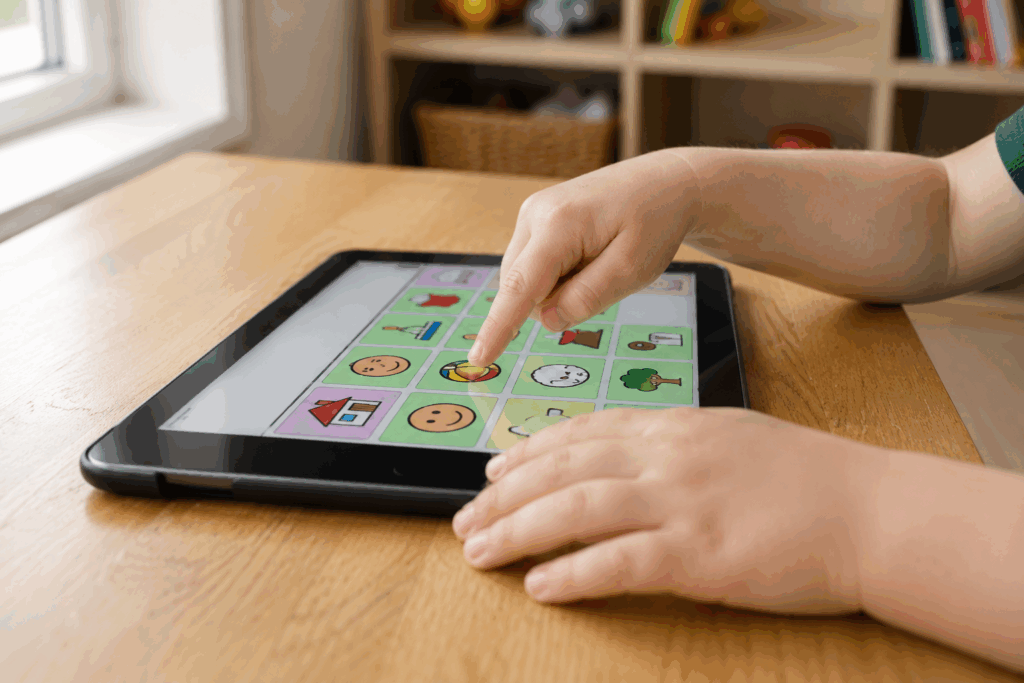
When I partner with families, one of the first things I look at is whether the child has a reliable way to communicate “I need to go.”
That communication might be spoken language, sign language, picture exchange, AAC devices, or visual cards.
Sensory Barriers
For some children, the bathroom itself can be overwhelming!
Think about all of the sensory experiences involved:
- Bright lights
- Echoing sounds
- Cold toilet seats
- Loud flushing
- Different smells
- Toilet paper textures
For a child with sensory sensitivities, these experiences can feel intense.
Fear of Flushing
I’ve worked with many children who were comfortable sitting on the toilet but became upset when someone flushed.
These simple adjustments may help:
- Allow your child to leave before flushing
- Flush after they exit
- Practice hearing the toilet from another room
- Use noise-reducing headphones
Difficulty Sitting
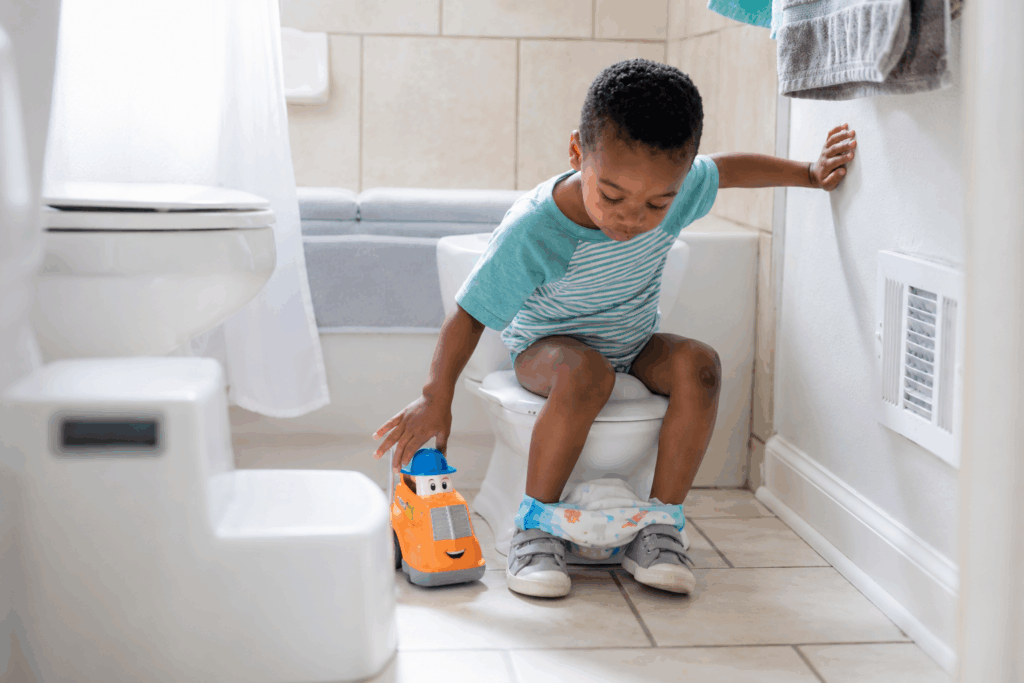
Some children dislike their feet dangling over the seat, the feeling of unstable, or the large toilet opening. A foot stool and child-sized seat insert can often make a big difference.
Difficulty Recognizing Body Signals
Some children have difficulty noticing internal sensations such as hunger, thirst, or a full bladder. In these cases, scheduled bathroom trips may help bridge the gap while the child learns to recognize those sensations over time.
How Positive Reinforcement Can Help
If you’ve heard of ABA therapy, you’ve probably heard the word positive reinforcement.
In simple terms, reinforcement means something happens after a behavior that makes that behavior more likely to occur again. Successful toileting programs frequently include using rewards as a type of positive reinforcement.
Potty training rewards may include:
- Favorite snacks
- iPad time
- Bubbles
- Music
- Stickers
- Small toys
- Special activities
One child I worked with earned 30 seconds of a favorite YouTube video after successful trips to the toilet. Another was motivated entirely by fruit snacks. A third couldn’t have cared less about treats but loved earning extra time with trains.
Tip:
The best reinforcer is whatever your child finds motivating. Some children are excited by stickers and praise, while others may be motivated for a favorite snack, bubbles, extra screen time, or a special activity. Finding what your child genuinely enjoys can make toilet training feel more rewarding and encourage them to keep practicing new skills.
What Should I Do About Accidents?
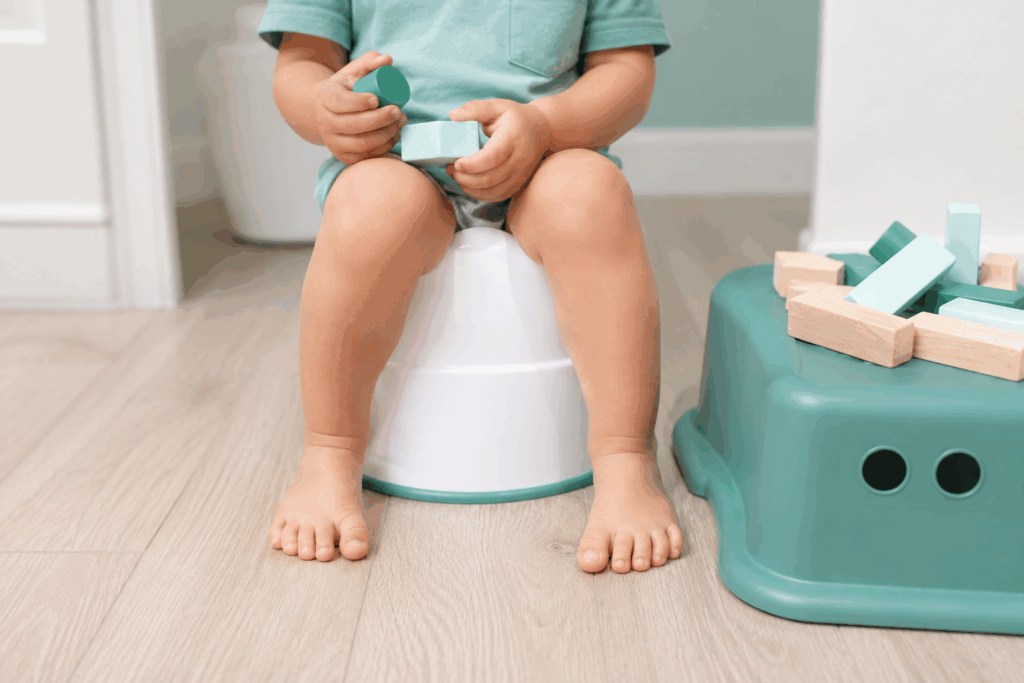
Potty accidents are a normal part of the learning process! Rather than viewing accidents as setbacks, try to think of them as information. They can help you identify patterns and better understand what your child may still be learning.
For example, consider:
- Does your child tend to have accidents while engaged in a preferred activity?
- Do accidents happen shortly after drinking large amounts of fluids?
- Are accidents occurring during transitions between activities?
- Is your child having difficulty communicating the need to use the bathroom?
- Are accidents happening around the same time each day?
Looking for patterns can provide valuable information and help you make adjustments to your toileting plan.
When accidents occur:
- Stay calm and keep your response neutral.
- Help your child change into clean clothing.
- Assist with clean-up as needed.
- Briefly remind them that pee and poop go in the toilet.
- Return to normal activities without lengthy discussions.
Avoid punishment, shaming, or showing frustration. These responses are unlikely to teach the skills your child needs and may increase anxiety around toileting.
How Long Does Autism Potty Training Take?
When you’re cleaning up accidents, planning bathroom trips, and trying to stay consistent day after day, it’s natural to wonder when you’ll start seeing results.
The reality is that toilet training timelines vary considerably from child to child. Some children begin using the toilet consistently within a few weeks, while others may require several months of practice and support before the skill becomes part of their daily routine.
Things that can affect progress include:
- Your child’s communication skills
- Sensory sensitivities related to the bathroom environment
- Medical concerns such as constipation or urinary issues
- Consistency across caregivers and settings
- Motivation and reinforcement
- Previous toileting experiences
I always encourage families to avoid comparing their child’s timeline to that of a sibling, classmate, or another child with autism. Toilet training is a highly individualized skill, and children often make progress in different ways and at different rates.
Instead, look for small signs that your child is moving in the right direction, such as:
- Staying dry for longer periods
- Sitting on the toilet with less resistance
- Beginning to communicate bathroom needs
- Having fewer accidents throughout the day
- Successfully using the toilet even with reminders
These smaller milestones are often signs that learning is taking place, even before a child becomes fully independent!
In my experience, successful toilet training is usually less about how quickly a child learns and more about finding an approach that matches their unique needs and remaining consistent over time.
When to Seek Professional Help

Consider seeking support if:
- Your child shows strong readiness signs but isn’t making progress
- Severe resistance occurs
- Your child consistently withholds urine or bowel movements
- Communication barriers are preventing success
- Sensory concerns are creating significant distress
- Aggression, self-injury, or severe problem behavior occurs
Sometimes families need a more structured plan, and that’s okay. Research shows that many children benefit from modifications tailored to their unique needs when standard approaches are not enough.
Frequently Asked Questions About Autism Potty Training
There is no single age that applies to every child. Readiness signs are generally more important than age.
Yes! Many nonverbal children successfully learn toileting skills using AAC devices, picture exchange systems, sign language, or other communication methods.
The key is finding rewards that are meaningful to your child! Here are some recommendations for the best rewards for potty training.
If you’re not seeing progress, or if significant behavioral, communication, or sensory barriers exist, professional support may be beneficial.
My Final Thoughts
Toilet training can be a challenging process, especially when your child learns differently from their peers or siblings. While it may be tempting to focus on how far you still have to go, try to recognize the progress that is happening along the way.
For many children, successful toileting doesn’t happen all at once. It often begins with small steps, such as staying dry for longer periods, willingly sitting on the toilet, communicating bathroom needs, or having fewer accidents throughout the day. These skills build on one another over time and contribute to long-term success.
If you’re considering starting toilet training, begin by looking for signs of readiness, identifying any barriers that may be getting in the way, and creating a plan that fits your child’s unique needs. Consistency, patience, and positive reinforcement can go a long way.
Most importantly, remember that every child follows their own timeline! With the right supports in place, many autistic children can develop the toileting skills needed to become more independent at home, at school, and in the community.
About the Author
Krysten Clark Wilkes, M.A., BCBA, LBA is a Board Certified Behavior Analyst and founder of Learning & Behavior Autism Services. She works with autistic children and their families throughout Maryland, helping children build communication, independence, social, and daily living skills through evidence-based, family-centered support.