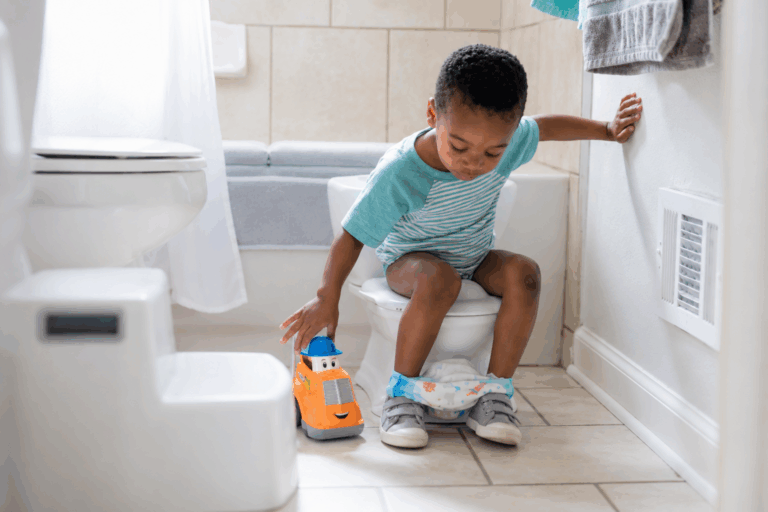


Why Toilet Training Isn’t Working for Your Autistic Child
Everything seemed to be going well. Your child was sitting on the toilet, having fewer accidents, or maybe even using the bathroom successfully for a period of time. Then progress slowed or stopped altogether.
Perhaps your child is still having accidents despite months of effort. Maybe they will urinate in the toilet but refuse to poop. Or maybe they were making progress and suddenly started having accidents again.
When toilet training doesn’t go as planned, many parents assume they’re doing something wrong or question if their child is ready for potty training. In reality, toilet training challenges are often signs that a specific barrier is getting in the way. Identifying that barrier is usually the first step toward getting progress back on track.
If this sounds familiar, you’re not alone.
One of the biggest misconceptions is that once a family starts, progress should happen in a straight line. In reality, autism toilet training is often a process of problem-solving. When progress stalls, it doesn’t necessarily mean your child isn’t capable. More often, it means there is a barrier getting in the way.
Research on toilet training for autistic children has shown that there is no single approach that works for everyone. Some children respond well to basic strategies, while others require individualized supports based on their unique communication, sensory, medical, and learning needs.
The good news is that once we identify why a child is struggling, we can usually make adjustments that move the process forward.
Let’s look at some of the most common reasons toilet training isn’t working and what you can do about them.
Why Are We Stuck?
Many families reach a point where it feels like nothing is working. Maybe you’re doing all the things: taking your child to the bathroom regularly, using rewards, following a schedule, and even seeing occasional success. Yet weeks or months later, your child still isn’t independently using the toilet. When this happens, I encourage families to step back and ask an important question:
What skill might my child still be learning?
Toilet training is actually a collection of many smaller skills. A child must learn to:
- Recognize body signals
- Stop what they’re doing
- Get to the bathroom
- Pull clothing up and down
- Sit on the toilet
- Eliminate in the toilet
- Communicate bathroom needs
- Tolerate the bathroom environment
If even one of these skills is missing, progress may slow down. For example, a child may understand what the toilet is for but have difficulty recognizing the feeling of a full bladder. Another child may know they need to go but not have a reliable way to communicate it.
Why Is My Child Having Accidents?
Potty accidents are one of the most common reasons families become discouraged. However, accidents themselves are not always the problem. Instead, they often provide information about what your child still needs to learn.
Your Child May Not Recognize Body Signals Yet
Some autistic children have difficulty noticing internal body sensations. As a result, they may not realize they need the bathroom until it is too late. For example, they may not recognize:
- A full bladder
- The urge to urinate
- The urge to have a bowel movement
If this is the case, scheduled bathroom trips may still be necessary while your child learns to connect those sensations with toileting.
Your Child May Be Too Engaged in Preferred Activities
I’ve worked with children who absolutely knew how to use the toilet but had accidents while watching YouTube, playing video games, or engaging in a favorite activity. Sometimes the issue isn’t bladder control, it’s that stopping an enjoyable activity feels harder than waiting.
If accidents occur primarily during preferred activities, consider:
- Increasing reminders
- Using visual timers
- Offering reinforcement for successful transitions to the bathroom
Your Child May Not Be Communicating Bathroom Needs
Some children know they need the bathroom but do not yet communicate it consistently. They may pace, become upset, hide, or grab an adult’s hand. These behaviors may actually be attempts to communicate. Teaching a simple way to request the bathroom may help reduce accidents.
Medical Factors May Be Contributing
If accidents continue despite consistent effort, consider whether a medical issue may be involved.
Common concerns include:
- Constipation
- Urinary tract infections
- Gastrointestinal discomfort
- Medication side effects
Why Won’t My Child Poop in the Toilet?
This is one of the most frustrating situations families experience. A child may successfully urinate in the toilet for months while continuing to request a diaper for bowel movements. Or they may hide before pooping, wait until a diaper is on, or have bowel movements immediately after getting off the toilet. This is actually very common. Bowel training is often more difficult than urine training.
Fear and Anxiety
Many children feel anxious about having bowel movements in the toilet. The sensation feels different, the sounds are different, and the experience may simply feel unfamiliar. For some children, this creates anxiety that can lead to avoidance.
Constipation and Pain History
One of the most common reasons children resist pooping in the toilet is a history of painful bowel movements. If a child has experienced constipation in the past, they may associate bowel movements with discomfort. Even after constipation improves, the fear may remain, which is why medical concerns should always be considered first.
Strong Diaper Associations
Children have spent years using diapers for bowel movements, so the diaper becomes part of the routine. In these situations, the child may need gradual teaching to transition from diaper use to toilet use.
For example:
- Sitting on the toilet while wearing a diaper
- Gradually changing positioning
- Slowly increasing comfort with the routine
Remember, resistance to bowel movements is often rooted in fear, discomfort, or habit, not stubbornness.
Why Does My Child Refuse to Sit on the Toilet?
Some children become upset the moment they enter the bathroom. Others willingly walk into the bathroom but refuse to sit. When this happens, it is important to identify why the toilet itself is aversive.
Sensory Sensitivities
Many autistic children experience sensory differences that can make the bathroom uncomfortable.
Examples include:
- Cold toilet seats
- Bright lights
- Echoing sounds
- Loud flushing
- Feet dangling above the floor
These simple modifications can sometimes make a significant difference:
- Use a foot stool
- Add a toilet insert
- Allow the child to leave before flushing
- Reduce noise when possible
Fear of Falling
Some children feel unstable on the toilet. This is especially common when their feet cannot touch the floor, the toilet seat opening feels too large, or balance is difficult. A stable sitting position can improve comfort and confidence.
The Bathroom Has Become Associated With Pressure
Sometimes children begin resisting because every bathroom trip feels like a demand. If a child is repeatedly prompted, pressured, or corrected, the bathroom itself can become something they want to avoid. In these situations, it may be helpful to spend time rebuilding positive experiences in the bathroom before focusing heavily on toileting goals.
Why Did Potty Training Suddenly Stop Working?
Few things are more confusing than a child who was making progress and suddenly starts having accidents again. Regression usually happens for one of the following reasons:
Changes in Routine
Many children thrive on predictability. Changes such as school breaks, vacations, new caregivers, or schedule changes can temporarily disrupt toileting habits. Once routines become consistent again, skills often return.
Medical Concerns
If a child suddenly begins having accidents after a period of success, consider whether a medical issue may be involved. Constipation is particularly common! Sometimes families don’t realize constipation is occurring because the child continues to have bowel movements. Your child’s pediatrician can help rule out medical factors.
Stress or Major Life Changes
Children experience stress too. Changes such as moving, starting a new school, family changes, and illness can affect toileting behavior. Sometimes additional support and patience are needed while the child adjusts.
Reinforcement Has Lost Its Value
A reward that worked three months ago may no longer be motivating today. I’ve worked with children who were initially thrilled to earn stickers or candy but eventually lost interest. If progress has stalled, it may be time to reassess what motivates your child.
When a Different Approach May Be Needed
One important finding from recent toilet training research is that not every child responds to the same strategies. This doesn’t mean the plan has failed, it just means it may need to be adjusted. The most effective toilet training programs are often those that are designed to the child’s specific strengths and learning needs.
Free Autism Potty Training Action Plan Workbook
Ready to put your potty training plan into action?
This free BCBA-created workbook will help you:
✔ Set realistic potty training goals
✔ Identify rewards and motivators
✔ Create a bathroom schedule
✔ Coordinate caregivers and support staff
Questions to Ask Yourself When Progress Stalls
If toilet training isn’t working, consider:
- Does my child recognize when they need to go?
- Can my child communicate bathroom needs?
- Are sensory concerns making the bathroom uncomfortable?
- Could constipation or another medical issue be contributing?
- Is my child motivated by the rewards I’m using?
- Have there been recent changes in routine?
- Are accidents occurring in predictable situations?
These questions can often help identify the next step.
My Final Thoughts
When potty training isn’t going as planned, it’s easy to think your child just isn’t ready. But accidents, resistance, and setbacks are often signs that something is getting in the way.
The key is figuring out what’s causing the challenge. It could be communication, sensory sensitivities, a medical concern, motivation, or a change in routine. Once you understand the reason, it’s much easier to adjust your plan and help your child succeed.
About the Author
Krysten Clark Wilkes, M.A., BCBA, LBA is a Board Certified Behavior Analyst and founder of Learning & Behavior Autism Services. She works with autistic children and their families throughout Maryland, helping children build communication, independence, social, and daily living skills through evidence-based, family-centered support.