Best Rewards for Potty Training an Autistic Child
If you’ve started potty training your child, you’ve probably heard that rewards can help.
Maybe someone suggested a sticker chart. Perhaps you’ve seen families use candy, toys, or special privileges. You may have even tried a few rewards yourself, only to discover that what worked for another child doesn’t seem to work for yours.
That’s because there is no universal potty-training reward.
Tip:
The most effective reward is the one that your child finds motivating.
For some children, that’s a favorite snack. For others, it’s bubbles, a short YouTube video, extra time with a preferred toy, or a chance to jump on the trampoline.
The challenge isn’t deciding whether to use rewards. The challenge is figuring out which rewards are likely to motivate your child and how to use them effectively.
In this post, I’ll discuss why rewards matter, how to identify meaningful reinforcers, and some of the most effective reward ideas for autistic children learning toileting skills.
Why Rewards Matter During Potty Training
Potty training involves learning many new skills at the same time!
A child may be learning to:
- Recognize body signals
- Stop a preferred activity
- Walk to the bathroom
- Sit on the toilet
- Communicate bathroom needs
- Wash their hands
- Complete a new routine
Rewards can help increase motivation and make these new skills more likely to occur again in the future. Think about it this way: Most adults are more likely to repeat behaviors that lead to positive outcomes. Children are no different!
When a child successfully uses the toilet and immediately receives something they enjoy, they begin making a connection between the behavior and the positive outcome. Over time, this can increase participation and help build new habits.
The Best Reward Is the One Your Child Actually Wants
One of the most common mistakes I see parents make is choosing rewards they think their child should like instead of rewards their child actually enjoys.
For example, many potty-training kits include:
- Sticker charts
- Certificates
- Small prizes
- Verbal praise
While these rewards are motivating for some children, they may have little value for others.
I’ve worked with children who would do almost anything for a fruit snack and others who couldn’t care less about food. Some children are highly motivated by praise, while others are much more interested in earning time with their favorite toy or video.
The best reward is whatever motivates your child!
Instead of asking:
“What reward should I use?”
Try asking:
“What does my child already love?”
The answer often provides valuable clues.
How to Identify What Motivates Your Child
If you’re not sure which rewards to use, start by observing your child throughout the day.
Ask yourself:
- What does my child ask for most often?
- What activities do they choose during free time?
- What toys do they repeatedly return to?
- What would upset them if it suddenly became unavailable?
- What do they seek out without being prompted?
It’s also important to remember that preferences change. A reward that worked last month may no longer be exciting today. Many families find it helpful to periodically reassess what their child enjoys most.
Food Rewards
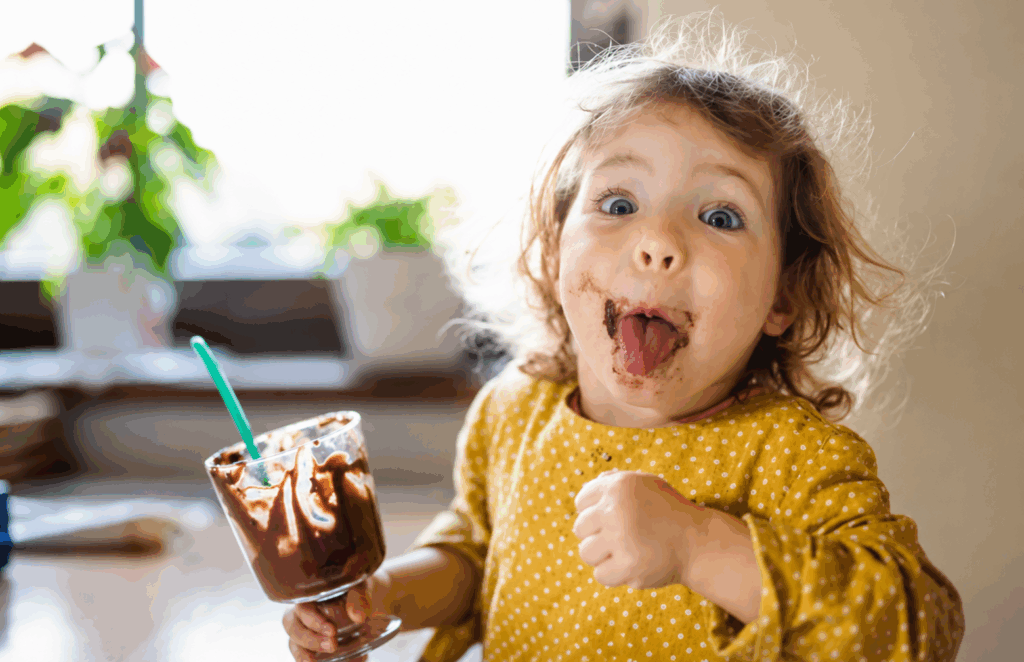
Food rewards are among the most commonly used reinforcers during toilet training. This is partly because they can be delivered immediately after success, which helps strengthen the connection between the behavior and the reward.
Examples include:
- Mini M&Ms
- Skittles
- Fruit snacks
- Mini marshmallows
- Goldfish crackers
- Small pieces of chocolate
- Gummies
Food rewards are not necessary for every child, but they can be highly effective when used thoughtfully.
A few things to keep in mind:
- Use small portions
- Deliver the reward immediately after success on the toilet
- Choose foods your child genuinely enjoys
- Consider any dietary restrictions or medical concerns
If you have questions about nutrition or dietary concerns, discuss them with your child’s healthcare provider.
Activity Rewards
Many autistic children are more motivated by activities than by tangible items. In fact, some of the most powerful reinforcers I’ve seen have been activity-based.
Examples include:
- Blowing bubbles
- Playing with water
- Jumping on a trampoline
- Swinging
- Listening to music
- Watching a favorite video
- Playing a favorite game
- Going outside
These activities can be especially useful because they are often naturally enjoyable and easy to deliver immediately following success.
For example, a child may earn:
- Two minutes of bubbles after using the toilet
- A favorite song
- A short YouTube clip
- A few minutes of a preferred game
The key is choosing something your child finds motivating.
Toy Rewards
Some children are highly motivated by access to specific toys or collectible items.
Examples include:
- Matchbox cars
- Stickers
- Squishies
- Figurines
- Trains
- Pokémon cards
- Small sensory toys
Toy rewards often work best when they are reserved specifically for toilet training.
If your child has unlimited access to a toy all day, it may lose some of its value as a reward. Keeping certain items special can increase their effectiveness.
Technology Rewards

Many parents ask whether it’s okay to use screen time during potty training. The answer is that it depends on your child and your family’s goals.
Technology can be a very powerful reinforcer for some children.
Examples include:
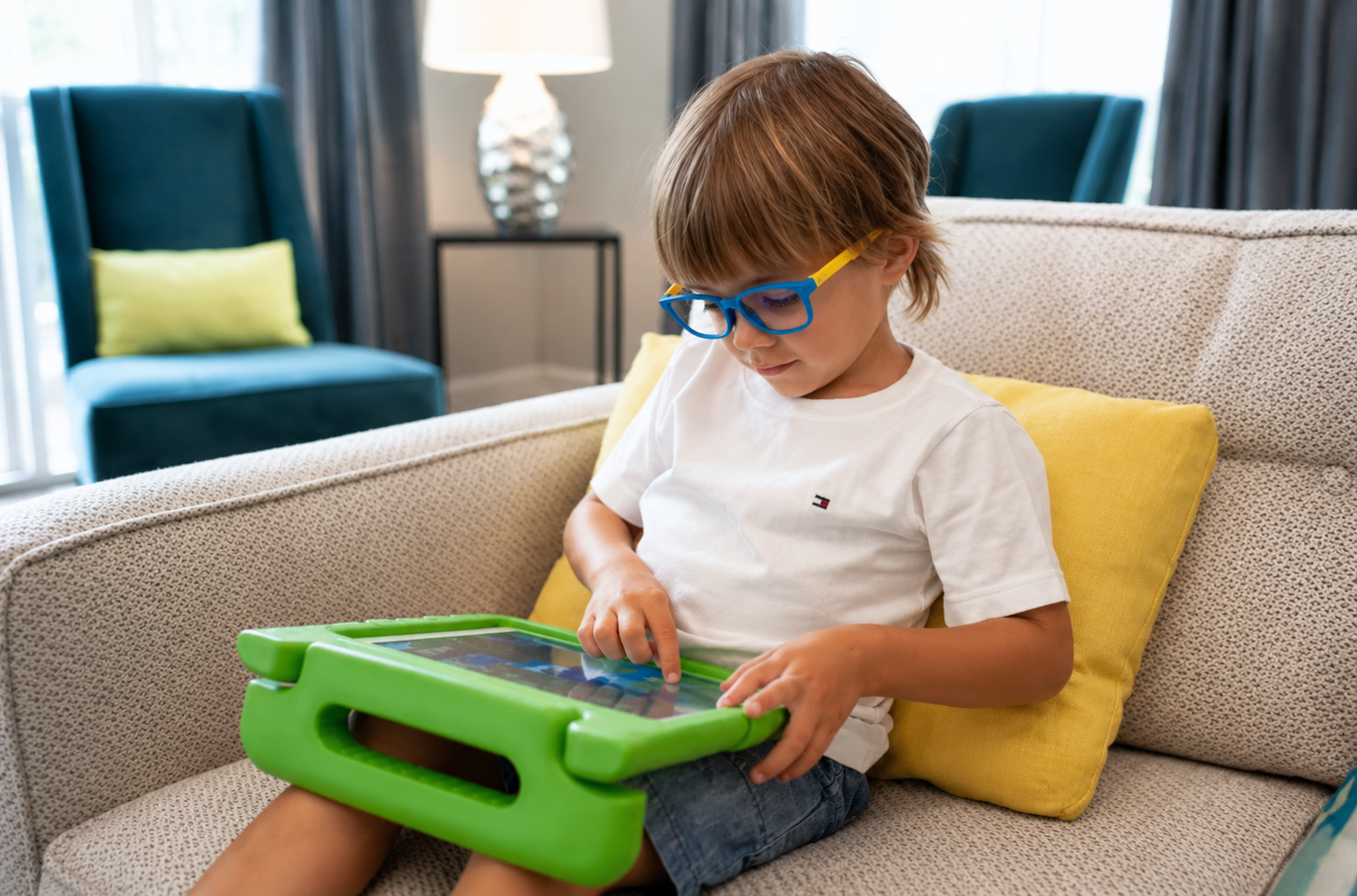
- Tablet time
- YouTube videos
- Favorite apps
- Educational games
- Music videos
The advantage of technology is that many children find it highly motivating… The challenge is making sure the reward remains manageable and does not interfere with daily routines.
For many families, short periods of access work best.
For example:
- Two minutes of a favorite video
- One game level
- A brief tablet break
Short, immediate rewards are often more effective than longer delayed rewards.
Should I Use a Sticker Chart?
Sticker charts are one of the most popular potty-training tools. For some children, they are extremely effective. For others, they do very little.
Sticker charts tend to work best when a child:
- Enjoys collecting stickers
- Understands earning toward a larger reward
- Can tolerate delayed reinforcement
- Is motivated by visual progress
Many younger children and children with significant developmental delays benefit from more immediate rewards before transitioning to a sticker chart system. However, if you use choose to use a sticker chart, consider pairing it with an immediate reward in the beginning.
Should I Use Candy?
If candy is highly motivating for your child and aligns with your family’s values and healthcare recommendations, it may be a reasonable option. Like any reward, the key is using it strategically and in moderation.
Free Autism Potty Training Action Plan Workbook
Ready to put your potty training plan into action?
This free BCBA-created workbook will help you:
✔ Set realistic potty training goals
✔ Identify rewards and motivators
✔ Create a bathroom schedule
✔ Coordinate caregivers and support staff
Common Reward Mistakes
Even highly motivating rewards can lose effectiveness if they are not used correctly. Here are some common mistakes I see.
The Reward Isn’t Delivered Quickly Enough
The strongest reinforcement usually occurs immediately after success. Waiting too long can weaken the connection between the behavior and the reward.
The Reward Isn’t Actually Motivating
Remember, a reward is only effective if your child wants it. If a child doesn’t care about stickers, adding more stickers probably won’t help.
The Child Has Unlimited Access
If your child already has unrestricted access to a preferred item all day, it may not function as a reward during toilet training.
The Reward Never Changes
Preferences change! What motivates your child today may not motivate them next month. Be willing to adjust when necessary.
How to Fade Rewards Over Time
Many parents worry that if they start using rewards, they will need to continue forever. Fortunately, that’s usually not the case. As children become more successful, rewards can often be gradually reduced.
For example:
- First, reward every successful bathroom trip.
- Next, reward every few successful trips.
- Then, transition to praise and encouragement.
- Finally, allow natural benefits to maintain the skill.
Over time, many children begin to experience natural reinforcement from:
- Staying dry
- Feeling comfortable
- Wearing underwear
- Increased independence
- Positive social interactions
These naturally occurring benefits can help maintain toileting skills long after structured rewards are faded.
What If Nothing Seems Motivating?
It potty training isn’t working, it may be helpful to take a step back.
Sometimes motivation changes throughout the day. Other times, a reward is available too often. Or, maybe the challenge isn’t motivation at all, maybe it’s a communication, sensory, or medical barrier.
If you’ve tried multiple reinforcers and progress remains limited, consider consulting a Board Certified Behavior Analyst (BCBA) or other qualified professional who can help identify potential barriers and develop an individualized plan.
Final Thoughts
There is no single best reward for potty training an autistic child. The most effective reinforcer is the one that is meaningful to your child!
While stickers may be motivating for one child, another may be motivated by bubbles, fruit snacks, trains, music, or a favorite video. Taking time to identify what your child genuinely enjoys can make toilet training more engaging, more positive, and often more successful.
Remember, rewards are simply tools that help support learning! As your child’s skills grow and confidence increases, those rewards can gradually be reduced while independence takes their place.
About the Author
Krysten Clark Wilkes, M.A., BCBA, LBA is a Board Certified Behavior Analyst and founder of Learning & Behavior Autism Services. She works with autistic children and their families throughout Maryland, helping children build communication, independence, social, and daily living skills through evidence-based, family-centered support.