
What Is Autism? A Parent-Friendly Guide
If your child was just diagnosed with autism, or there are signs your child may be autistic, you probably have a lot of questions.
What Is Autism?
Autism, or Autism Spectrum Disorder (ASD), is a neurodevelopmental condition that affects how a person communicates, interacts with others, learns, plays, and processes information from the world around them.
The word “spectrum” is important because autism looks different in every person.
Some autistic individuals speak fluently, while others use an AAC device or other forms of communication. Some need significant support in daily life, while others live independently. No two autistic people are exactly alike.
Think of autism as a wide spectrum of strengths, challenges, interests, and support needs.
What Are Common Signs of Autism?
Every child is unique, but some common signs of autism may include:
Communication Differences
- Delayed speech development
- Difficulty starting or maintaining conversations
- Using an AAC device, gestures, or pictures to communicate
- Repeating words or phrases (echolalia)
- Difficulty understanding social language, jokes, or figurative speech
Social Differences
- Preferring to play alone
- Difficulty understanding social cues
- Challenges with back-and-forth conversations
- Difficulty making or maintaining friendships
- Limited interest in certain social interactions
Repetitive Behaviors or Strong Interests
- Hand flapping, rocking, spinning, or other repetitive movements
- Repeating sounds, words, or phrases
- Strong interests in specific topics
- Preferring routines and predictability
Sensory Differences
- Being sensitive to loud sounds, bright lights, clothing textures, or certain foods
- Seeking sensory input through movement, jumping, crashing, or touching objects
- Becoming overwhelmed in busy environments
Not every autistic child will show all of these characteristics, and many non-autistic children may display some of them occasionally as well.
What Causes Autism?
Current research suggests that autism develops because of a combination of genetic and biological factors that affect brain development. Autism begins early in development and is something a person is born with, not something they “catch” or outgrow.
Autism is not caused by parenting style, vaccines, screen time, or something a parent did or didn’t do.
Is Autism a Disease?
No, autism is not a disease, illness, or something that needs to be “cured.” Many autistic adults view autism as an important part of who they are and how they experience the world.
What Are Some Strengths of Autistic Individuals?
When people first receive an autism diagnosis, conversations often focus on challenges. However, autism can also come with many strengths, including:
- Strong attention to detail
- Excellent memory
- Honesty and direct communication
- Deep knowledge about favorite topics
- Creativity and unique problem-solving skills
- Strong visual learning abilities
- Passion and persistence
Of course, every child is different, but it is important to recognize and celebrate strengths alongside support needs.
How Can We Help?
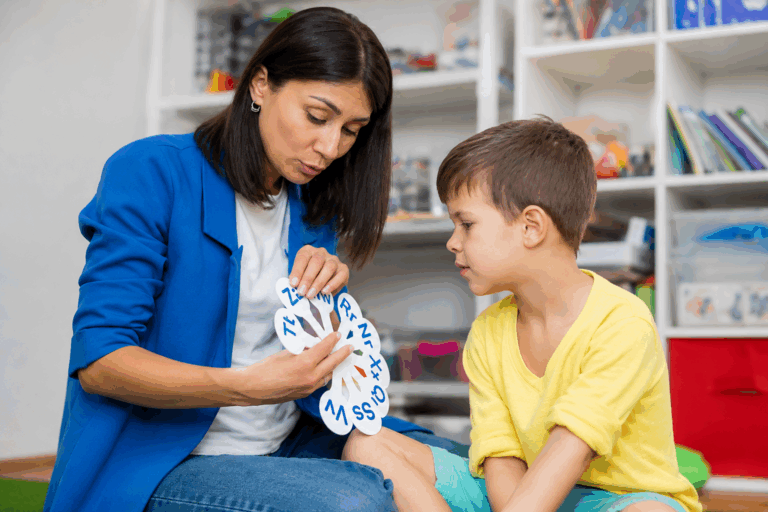
At Learning & Behavior Autism Services, we work directly with autistic children and their families, focusing on teaching meaningful skills that improve quality of life. These may include:
- Communication skills
- Play skills
- Social skills
- Daily living skills
- Safety skills
- Emotional regulation
- Reducing behaviors that are dangerous or interfere with learning
The goal is to help children gain more independence, have more opportunities, and successfully participate in the activities that are important to them and their families.
What Should I Do If I Think My Child May Be Autistic?
If you have concerns about your child’s development:
- Talk with your pediatrician.
- Request a developmental evaluation.
- Contact your local early intervention program or school system if your child is eligible.
- Ask questions and seek information from trusted professionals.
Early identification can help children access supports and services sooner.
My Final Thoughts
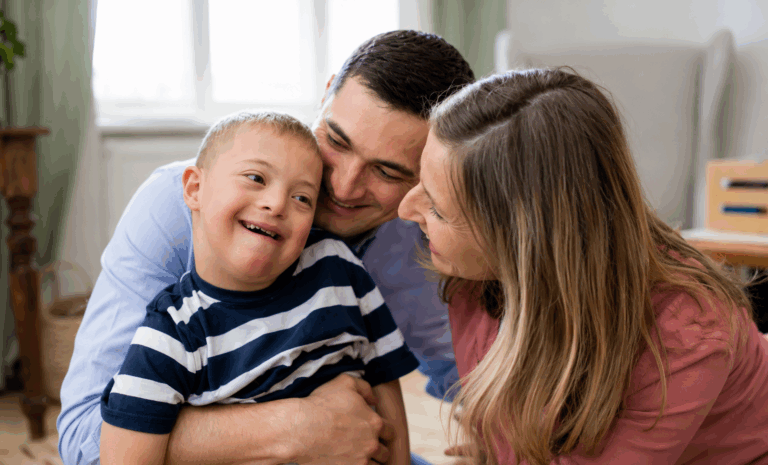
If your child is autistic, know this: They are still the same amazing child they were before the diagnosis! An autism diagnosis does not define your child. It simply helps us better understand how they learn, communicate, and experience the world.
The goal isn’t to make autistic children appear “normal.” The goal is to help them develop the skills they need to communicate, build relationships, be safe, and live meaningful, fulfilling lives while honoring who they are!
About the Author
Krysten Clark Wilkes, M.A., BCBA, LBA is a Board Certified Behavior Analyst and founder of Learning & Behavior Autism Services. She works with autistic children and their families throughout Maryland, helping children build communication, independence, social, and daily living skills through evidence-based, family-centered support.