
What I Tell Parents During Their Child’s First Week of ABA Therapy
Before each and every child starts ABA therapy with our team at Learning and Behavior Autism Services, I have a conversation with the family about what to expect during those first few sessions.
Believe it or not, the questions from parents are often the same! Will my child like their therapist? What will they actually do during therapy? What if they don’t participate right away? If you’ve been asking yourself these same questions, you’re not alone.
Here’s what I tell parents before their child’s first week of ABA therapy.
The First Week of ABA Therapy Is About Getting to Know Your Child
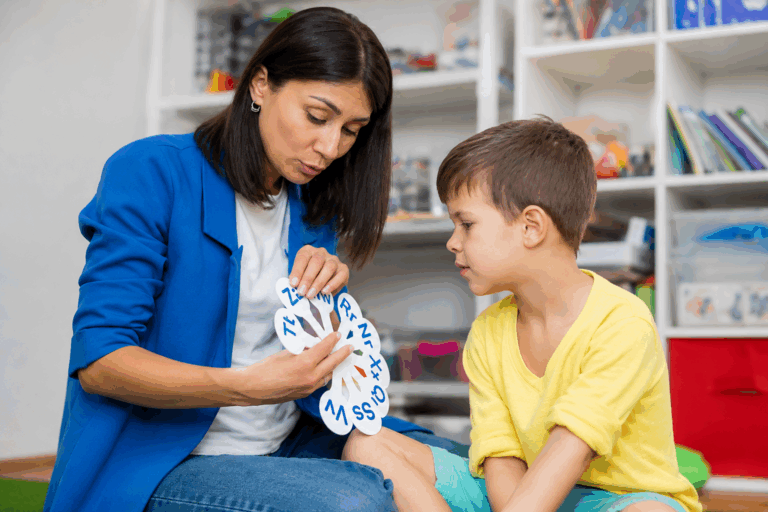
During the first few sessions, the focus is all about pairing. Pairing is the process of building trust and creating positive experiences so your child enjoys spending time with their therapist and feels ready to learn.
Think about it from your child’s perspective. A new person is entering their home or another familiar environment and asking them to spend time together. Before you can expect learning to happen, you need trust.
Pairing often looks like:
- Playing with your child’s favorite toys
- Joining in activities your child already enjoys
- Following their lead during play
- Discovering what motivates them
As a parent, it can sometimes look like just playing, but in reality, we’re learning valuable information about your child that helps us teach more effectively later.
New to ABA Therapy? Start Here.
These articles will walk you through the process step by step.
What Is ABA Therapy? A Parent-Friendly Guide – Learn what ABA therapy is, how it works, and the skills it teaches.
Getting Started with ABA Therapy – Learn what to expect as you begin ABA therapy, from the intake process and assessment to meeting your child’s therapy team and starting services.
How Parents Can Support ABA Therapy at Home – Discover simple ways to reinforce your child’s learning, encourage progress, and work together with your ABA team between therapy sessions.
Don’t Be Surprised If Your Child Tests the Waters
This is something I see all the time! Some children immediately connect with their RBT and are ready to jump into activities. Others are much more cautious. Your child may ignore the therapist all together. They may even leave the room. All of those reactions are completely normal.
A common mistake families make is worrying that ABA therapy isn’t working because their child doesn’t immediately engage. Building trust takes time, and in the first week, the goal is helping your child feel safe and comfortable.
What Parents Can Be Doing
As a parent or caregiver, your role is to communicate openly with the therapy team and share what you’re seeing at home. For example, communicate with your child’s Board Certified Behavior Analyst (BCBA) about what’s working, what’s not working, and new concerns, changes in routines, and school updates (if applicable).
You don’t need to become an ABA expert! Your job is simply to share what you’re seeing and work collaboratively with the therapy team. Some of the most important information I receive comes from conversations with parents. You know your child better than anyone else, and that perspective matters.
Learn more about how parents can support ABA therapy at home.
Questions Every Parent Should Ask Their ABA Provider
Don’t be afraid to ask questions!
- How are goals selected?
- How will progress be measured?
- How often will I meet with the BCBA?
- What will parent training look like?
- How will we know if a goal is working?
- What happens if my child isn’t making progress?
The more you understand the process, the more confident you’ll feel moving forward.
My Final Thoughts
The first week of ABA therapy is about building relationships, gathering information, and creating a foundation for learning. Some children adjust quickly. Others need a little more time. Both are completely normal!
About the Author
Krysten Clark Wilkes, M.A., BCBA, LBA is a Board Certified Behavior Analyst and founder of Learning & Behavior Autism Services. She works with autistic children and their families throughout Maryland, helping children build communication, independence, social, and daily living skills through evidence-based, family-centered support.