
Teaching Strategies & Interventions
Applied Behavior Analysis (ABA) is built on decades of scientific research about how people learn. Within ABA, there are many different teaching strategies and interventions.
Our Board Certified Behavior Analyst (BCBA) carefully choose the methods that are most appropriate for each child and adjusts them as skills develop over time. Below are some of the evidence-based interventions we may use as part of your child’s individualized treatment plan.

Applied Behavior Analysis
ABA is a science that helps us understand how people learn and how the environment influences behavior. We use ABA principles to teach communication, social, play, daily living, and independence skills while helping children reach meaningful goals.
Direct Instruction
Direct instruction uses clear teaching, modeling, guided practice, and feedback to help children learn new skills step by step. This approach is especially helpful when teaching skills that need extra structure.


Early Intensive Behavioral Intervention
Early Intensive Behavioral Intervention (EIBI) is an early intervention approach for young children with autism. It focuses on building communication, social, play, and daily living skills during the years when children learn and develop rapidly.
Functional Behavior Assessment
A Functional Behavior Assessment (FBA) helps us understand why a behavior is happening. By identifying what a child is communicating or trying to achieve through a behavior, we can teach safer and more appropriate ways to meet those same needs.


Modeling
Children often learn by watching others. Modeling involves demonstrating a skill or behavior so a child can observe and practice it. Peer modeling uses classmates, siblings, or other children to demonstrate skills such as communication, play, social interaction, and following routines.
Picture Exchange Communication System (PECS)
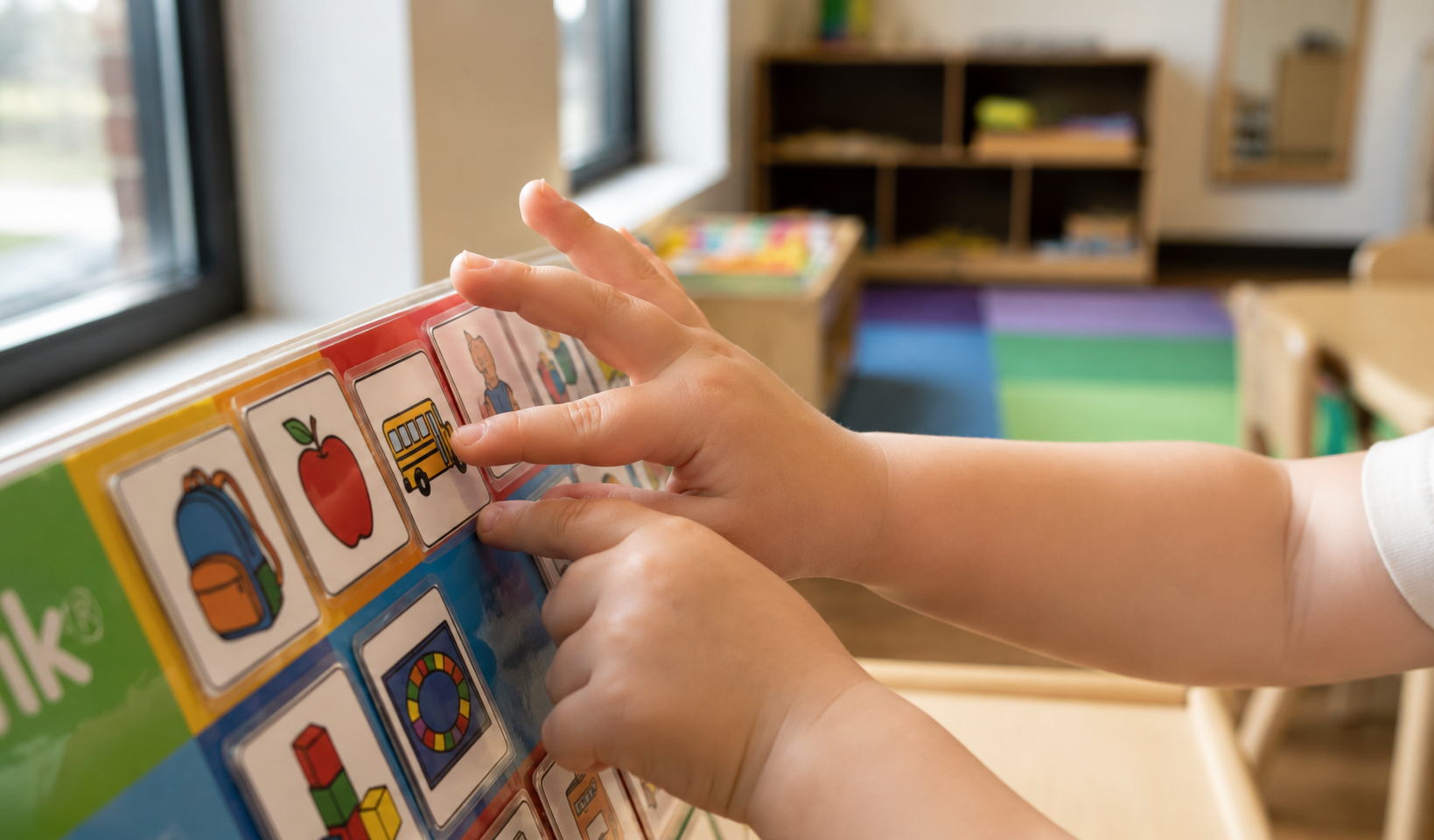
PECS is a picture-based communication system that helps some children communicate their wants, needs, and ideas while developing functional communication skills.
Visual Activity Schedules
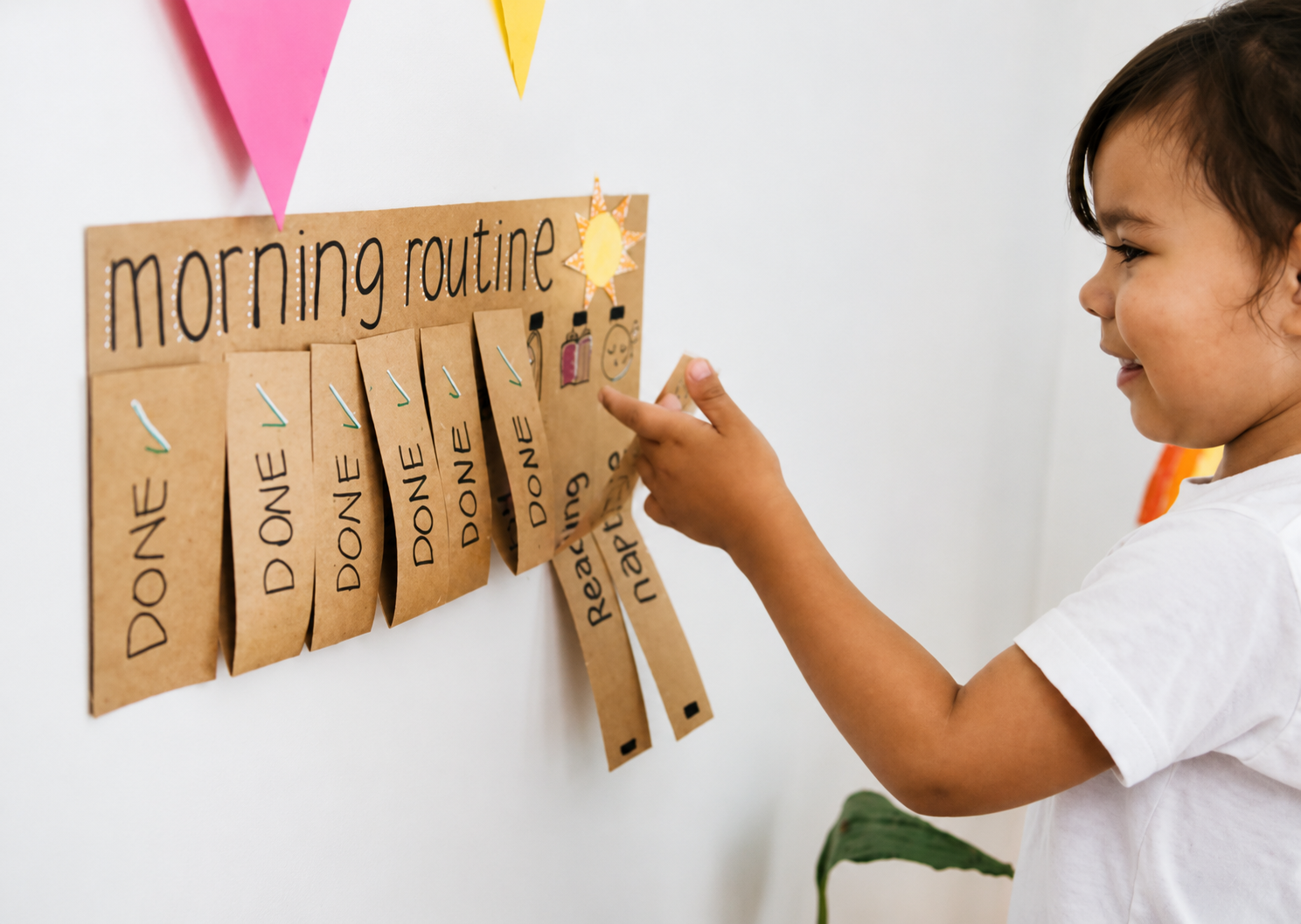
Visual schedules use pictures or written steps to help children understand routines, transition between activities, and complete tasks more independently.
Individualized Care Every Step of the Way
These are just some of the evidence-based strategies we may use during therapy. Every child is different, and not every intervention is appropriate for every learner. We continually evaluate progress and adjust our approach to make sure each child receives the support that best meets their individual needs.
Questions?
We’d love to help. Contact us to learn more about how we individualize treatment for every child and family.